Beaches, sun, sangria, Andalusia, surf, and many other things that you probably think of when you hear about a trip to Spain. Those are all great things, but there is one other, often overlooked thing people miss when they travel to Spain: olive oil tourism. One-tenth of the world’s olive oil flows from a single, often overlooked region in southern Spain, Jaen Spain. Forget everything you think you know about a trip to Spain. We’re going beyond the crowded beaches and tourist-packed cities to a place that holds the true soul of Andalusia: Jaen Spain. The olive oil heaven of Spain. You don’t get to do much of this anywhere in Europe. There are only a handful.
Check this article out, too: Surfing in Portugal: Ultimate Guide to Best Spots
Many people go to Granada, Seville, or Malaga when they travel to Andalusia, but if you are going to the region, you have to add the olive oil capital of the world to your itinerary; it’s like a golden liquid here. Plus, it’s a genuine Spanish experience. Figured after all my posts about Andalusia (especially my Seville itineraries and Malaga focus), Jaen Spain deserves a guide, too.
Hidden Gem of Southern Spain: Why Visit Jaen?
You probably got the gist that you should visit Jaen Spain for the olive oil experience. I’ll dive deeper into those later, but I want to give you an overview of this city. What should you expect? What is here beyond the olive oil? Why did I want to write an entire blog post about it? The authentic experience you get here, in the city, with the activities and everything in between, is becoming increasingly hard to find anywhere else.
Authenticity
Jaen is overlooked because it doesn’t have those magnificent beaches or mega-monuments. It lacks resort tourism. This is a city that lives and breathes for its locals. You won’t find menus translated into five different languages or aggressive street vendors trying to sell you selfie sticks. This is a place that mass tourism hasn’t shaped and has kept its allure for the people who are living there. If you are interested in Andalusian culture and life, this is one of the best places to experience it.
The “Free Tapas” Culture
Like Granada, Jaen keeps the original tradition of free tapas. When you order a beer, wine, or soft drink, a generous plate of food, from hearty stews and migas (breadcrumbs) to local sausages and cheese, arrives with it, on the house. It’s getting really hard to find places in Spain that still do this.
The Views
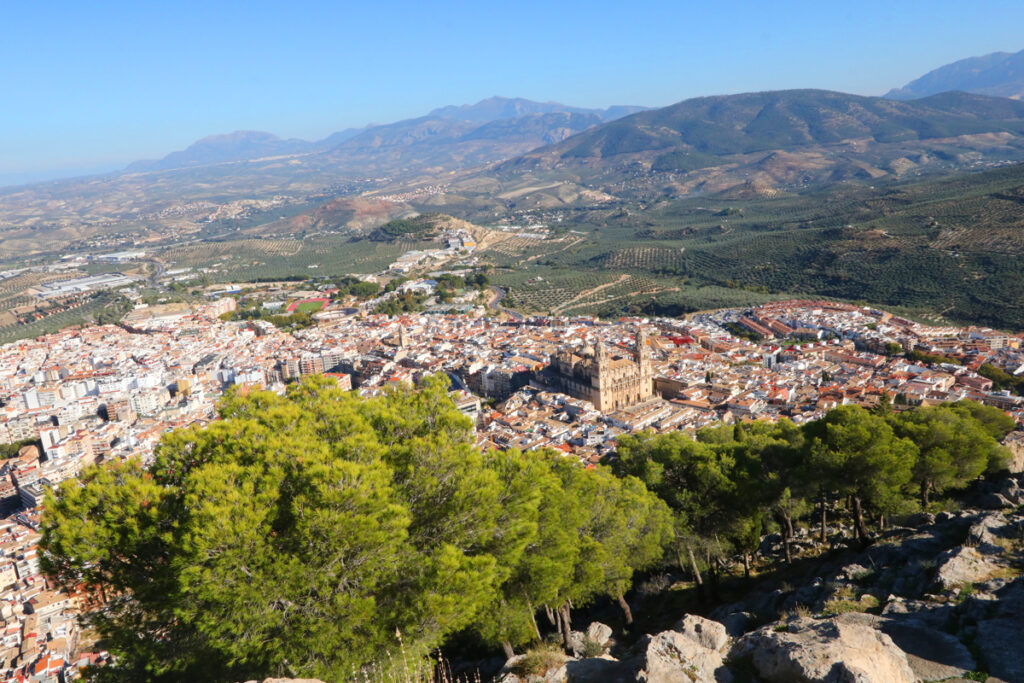
The city is at the foot of the Santa Catalina Mountains. This means there are a lot of steep climbs and amazing views when you are there. Sort of like Ronda, but instead of being at the top of a gorge, it’s at the bottom of a mountain. You can spend your day walking and enjoy every corner you take, with some solid views.
The Liquid Gold: Olive Oil History & Experiences
Now it’s time for the good stuff. I’ll spare a whole heading to talk about the olive oil history and experiences in Jaen, Spain here. Because, in addition to discussing what you can do there, it’s also important to understand where this is all coming from. Why is Jaen the olive oil capital of Spain, even the world? Olive oil is the lifeblood of the whole town. They call olive oil tourism “oleotourism” here, it stuck.
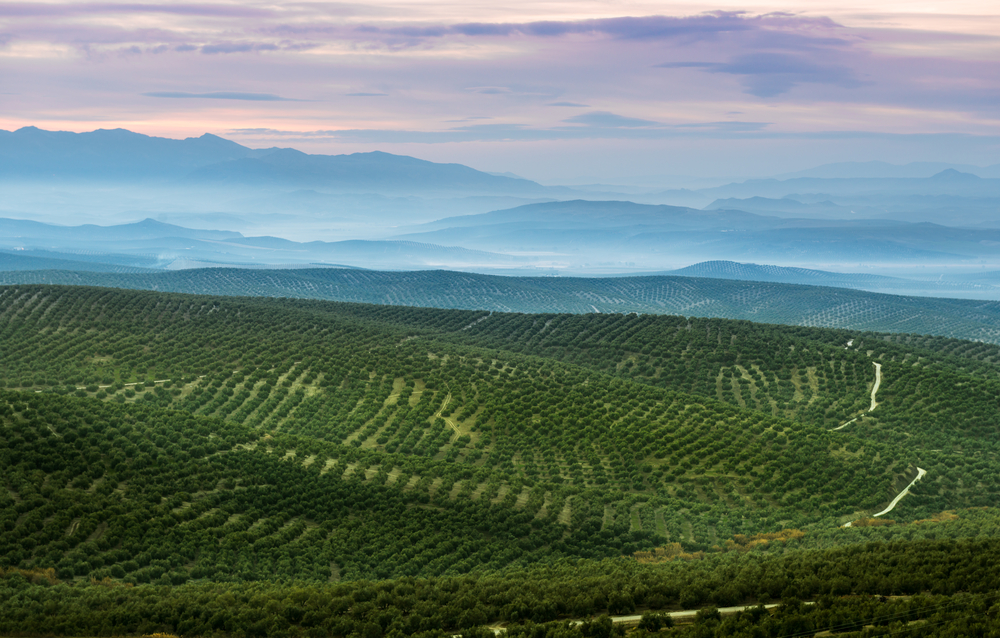
The moment you enter the city, you’ll understand why people call it the “Sea of Olives.” The rolling hills are filled with perfectly manicured grid of olive trees stretching as far as the eye can see. It is the largest man-made forest on the planet and this landscape’s uniqueness brings it to the table for the UNESCO World Heritage status. It’s under consideration. Seeing millions of trees lined up in perfect rows is a mesmerizing sight that emphasizes the scale of production here.
Why Jaen for Olive Oil?
Jaen Spain has been home to making olive oil since the Romans were there. They were the ones who introduced and expanded olive cultivation in Jaen’s fertile lands. Over the centuries, it has evolved significantly with the Romans. Arabs also played an important role in further expanding Jaen’s olive oil production, and they perfected the techniques left by the Romans.
The whole boom actually started during the Renaissance. Demand for olive oil all over the world exploded, and it became a commodity in Europe. As a region that has been growing, Jaen became the star quickly, which we now regard as the Golden Age of Olive Oil in Jaen. That’s when they developed more oil mills and expanded the olive groves.
Visit an Almazara (Oil Mill)
The best way to understand the process is to see it firsthand. Many local mills, known as almazaras, offer tours and tastings. Places like Picualia or Aires de Jaén are open for visitors to see the olives being pressed and to taste the fresh, peppery oil. These mills generally offer shorter or longer tours, depending on your preference. Usually, the best time for the best experience is to visit during the harvesting season, so you can see what it looks like. Harvest season is from October to January.
Tasting 101
While you are visiting an oil mill or special places just made for tasting, you can do an olive oil tasting. It’s not like wine tasting, though, I have to warn you. Forget the bland supermarket stuff you buy. Tasting high-quality Extra Virgin Olive Oil (EVOO) here is like tasting fine wine. You can learn to identify the different notes of the dominant Picual olive variety. They call this oil the king of Jaen oils.
Vía Verde del Aceite
For a unique adventure, you can walk or cycle along the “Olive Oil Greenway.” This route is along a decommissioned railway line that once transported oil from the groves to the port. It’s a flat, easy path that takes you right through the heart of the olive sea.
Must-Sees in Jaen Spain
Beyond the olive groves, Jaen’s city center is packed with monumental sights and hidden alleyways that tell the story of its rich history. Three distinct civilizations have left their mark on this region’s landscape and identity. The area’s history spans over seven centuries of cultural evolution. So you have to speak about the cultural must-sees, and its history.
Jaen Cathedral (The Masterpiece)
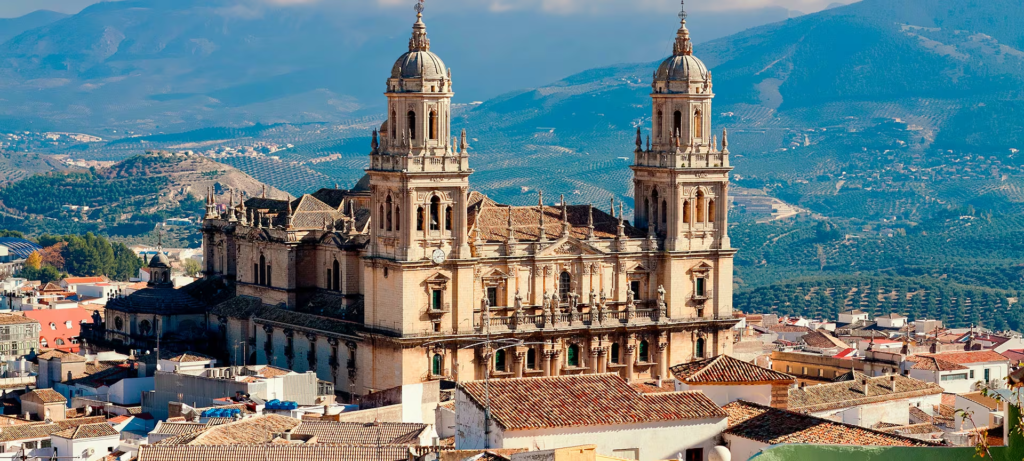
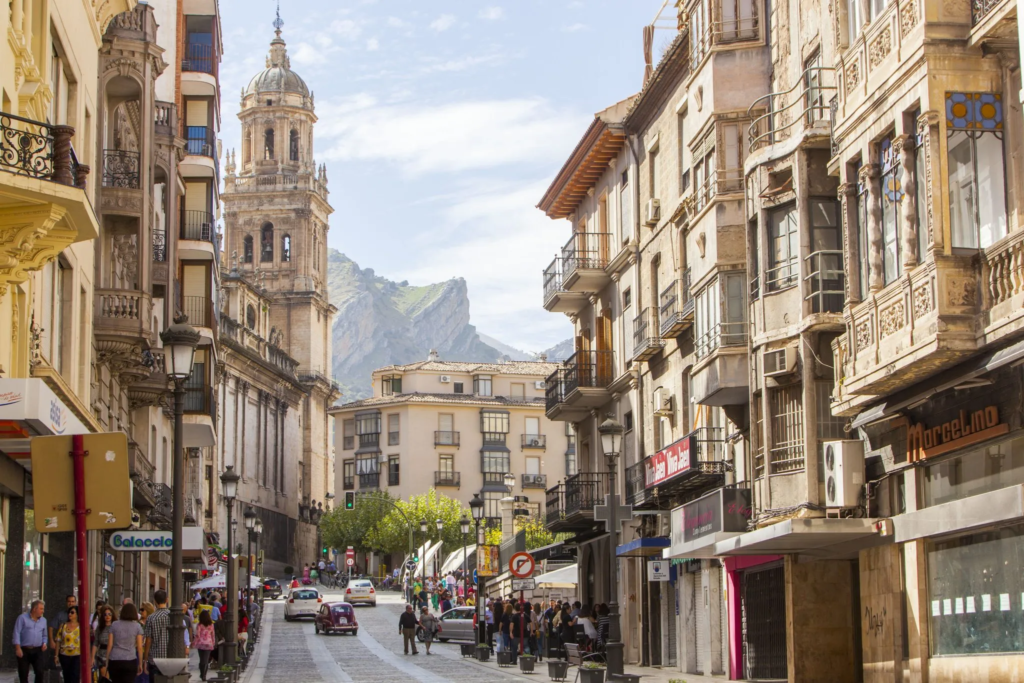
You can’t miss the Jaen Cathedral, it’s one of the first things to see when you enter the city. It dominates the skyline and is visible from almost anywhere in the city. This is a jaw-dropping example of Spanish Renaissance architecture, so perfect in its design that it served as a model for cathedrals in the Americas, including those in Mexico City and Havana. Inside, there are high ceilings and light-filled naves. The cathedral also has a sacred relic, the Santo Rostro (Holy Face), a cloth believed to be the Veil of Veronica, which wiped the face of Christ. It is kept in a special safe and displayed to the public on Fridays and special occasions.
Santa Catalina Castle
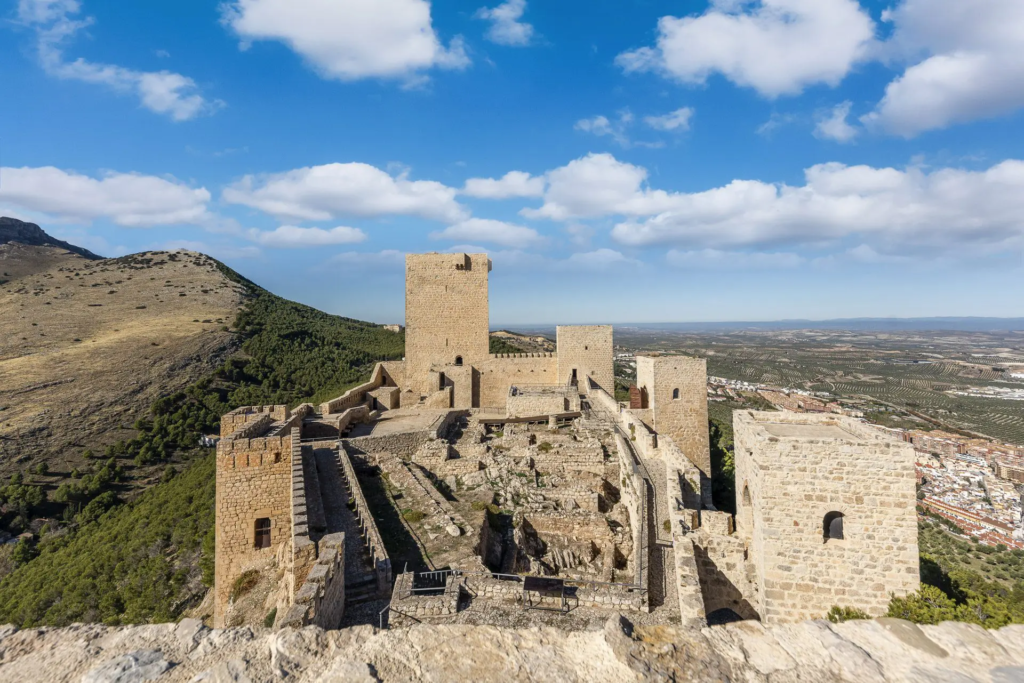
Like most other Andalusian cities, Jaen also has its own castle from the past. It watches the city from its mountain perch, with great views. You can drive or hike up to the towering cross (La Cruz). One of the places where you can get the entire view of the olive trees in the city. The castle itself has been beautifully preserved, and right next door is the Parador de Jaén, a luxurious state-run hotel in a former fortress. Even if you aren’t staying there, you can stop in for a coffee on the terrace.
The Arab Baths (Baños Árabes)
Yes, Jaen also has its Arab baths, but with a twist. This one is hidden beneath the 16th-century Villardompardo Palace. It is the largest and best-preserved Arab baths in all of Spain. These 11th-century baths feature beautiful horseshoe arches and star-shaped skylights. You can wander through the cold, warm, and hot. This bath was built in the 11th century and wasn’t discovered until the 19th century. It was hidden and forgotten for 8 centuries. One of the reasons why it’s extremely well-preserved.
Explore Villardompardo Palace
Don’t just leave after seeing the baths! The palace that houses them, the Palacio de Villardompardo, is a destination. Entrance is free, and in addition to the baths, it contains two other fascinating museums: the Museum of Arts and Popular Customs, which gives insight into rural life in the province, and the International Museum of Naïve Art.
Wander the Old Quarter (Barrio de San Ildefonso)
Like many European cities, Jaen Spain’s old quarter, the city center (or downtown) is also amazing to walk around. You can’t get a feel for it without getting lost in its old neighborhoods. Head to the Barrio de San Ildefonso or the streets around the cathedral, like Calle Ceron. There is everything here. Hidden plazas, ancient churches, and the city’s best tapas bars, buzzing with locals from noon until late at night.
How to Get to Jaen
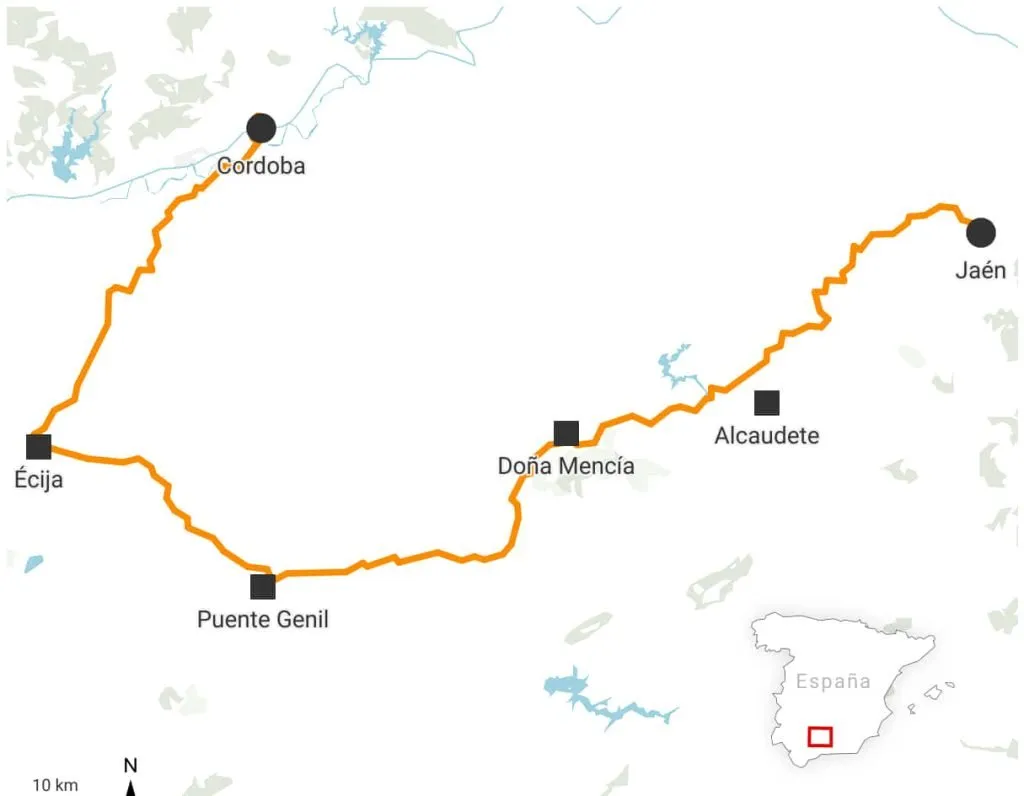
Jaen is in Andalusia and not so far away from some of Andalusia’s big cities. It’s really easy to get here by public transportation. You can also use a car, but I don’t recommend it; it’s a small town, and parking can be an issue. The closest big city to Jaen Spain is Granada. If you are going here as part of your Andalusia trip, do it from there. It takes about an hour from Granada and 1.5 hours from Cordoba by bus. Your only option is the bus, but don’t worry, it’s frequent, and they have some nice buses.
If you are coming in from other parts of the country, there is a high-speed train, Avant and Media Distancia (two types). It connects Madrid directly to Jaen and takes about four hours. It’s a beautiful train ride if it’s interesting.
Best Time to Visit
If you want good weather and green landscapes, spring (April-May) is perfect. However, for the full olive oil experience, visit during the harvest season. It’s in late autumn and winter (October-January). This is when the mills are active, and the new oil is being produced. Be warned: summer in Jaen is intensely hot, often exceeding 40°C (104°F), so plan accordingly if you visit in July or August.
Walking Warning
Jaen is built on the side of a mountain, which means hills. The city is full of steep streets and stairs, so comfortable walking shoes are an absolute must. Leave the heels or flimsy flip-flops at home and be prepared for a bit of a workout.
Conclusion
Jaen Spain is one of the most underrated cities in Andalusia, or even the whole of Spain. It misses the tourist eyes and doesn’t get as much love, primarily because it’s missing the core Spanish things like beaches and mass tourism attractions. This is a good thing because when you go to Jaen, Spain, and look for things to do in Jaen, Spain, you will have plenty of places, space, and opportunities to actually enjoy the city with the locals.
You can easily come here from Granada or Cordoba by bus in one or 1.5 hours, or take a fast train from Madrid in 4 hours. This city produces half of Andalusia’s olive oil and one-sixth of the world’s. You can take a few days in Jaen Spain visiting oil mills, doing tastings, and seeing the city’s historical monuments. You will enjoy every second, with amazing views and different experiences.
FAQ
What is the best time of year to visit Jaen?
Spring and fall have the most pleasant weather for exploring the city and its surrounding olive groves. The mild temperatures are ideal for walking the streets and visiting outdoor landmarks like Santa Catalina Castle.
Is Jaen worth visiting for its architecture?
Absolutely. The city is a treasure trove of architectural styles. Visitors can admire the magnificent Renaissance Jaén Cathedral and explore the imposing Santa Catalina Castle, which offers breathtaking panoramic views of the area.
How can I experience the olive oil culture in Jaen Spain?
The province is the world capital of olive oil. Touring a traditional mill or joining a tasting tour is a must. These experiences provide a deep dive into the production of this liquid gold amidst endless olive groves.
Are there any UNESCO World Heritage sites in Jaen Spain?
Yes. The Renaissance cities of Úbeda and Baeza, located within the province, are a designated UNESCO World Heritage site. Their stunning architecture and historic centers are an easy day trip from the city.